

Yoga kills lemurs
a cautionary tale.


I’m an animal person.
Always have been.
I credit books, zoos, public library programs, and a plethora of animal-themed children’s TV shows in the 90s for my affinity to animals.
Some of my favorite interactions with animals have occurred in zoos and sanctuaries, places where animal-human contact is facilitated and controlled.
Many animal-human interactions aren’t regulated. Or well thought out.
There’s something about fluffy cute things that make people idiots.
And the ones who suffer from this idiocy are always the animals.
Introducing: lemur yoga.
I don’t want to vilify just one animal-filled yoga class alone, so let’s vilify them all: yoga classes that provide interactions with animals are a marketing gimmick and very rarely have the best interests (or safety) of the animals in mind.
If you love animals, don’t go to goat yoga. Or piglet yoga. Or puppy yoga. Or kitten yoga. Or lemur yoga. Or—
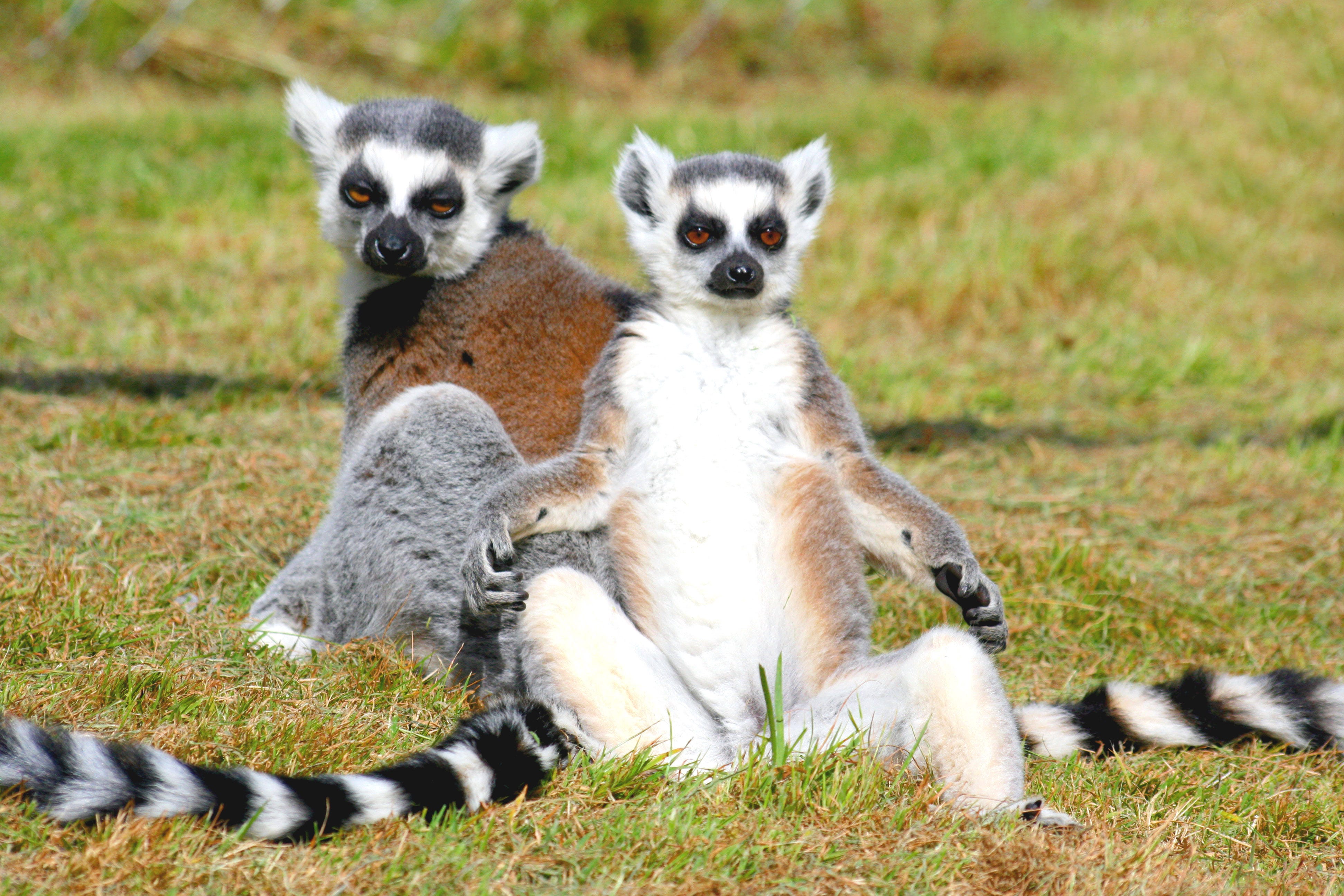
You’ll get popped on at the very least, and at the worst, you’ll kill the cute animal who’s confusedly climbing up your back during downward facing dog.
A recent research study provides detailed accounts of herpes simplex virus (HSV-1) infections spreading from humans to lemurs. One of those lemurs was the “participant” in a lemur yoga class.
Now, I could make a Florida joke here because… Florida. But yeah, this happened in Florida.
Oh, Florida.
Sigh.
WTF guys.
Diseases can jump between species
Due to our close evolutionary relatedness to living lemurs (who are primates!), our shared biology makes us susceptible to many of the same diseases.
But the plot twist lies here: often the immune systems of one species is incapable of (or not as effective at) fighting off disease that comes from a different organism.
For instance, the rhesus macaque monkeys I worked with for years are known carriers of Herpes B. This variant of herpes is completely benign in the macaque monkeys: meaning the monkeys who have Herpes B in their body never experience symptoms and the virus doesn’t impact their lifespan.
However, rhesus macaques who carry Herpes B do shed active forms of the virus about one a day month. This virus can be transmitted via bodily fluids—blood, saliva, poop.
If you’re unlucky enough to, say, be bitten by a monkey who’s actively shedding the virus, or get diarrhea splashed in your eyeball (…ask me how I know), you could be infected with Herpes B.
And if you’re infected with Herpes B, you’re most likely dead within 2 weeks.
As such, any “exposure” to rhesus macaque bodily fluids to a human mucous membrane (eyes, broken skin, nose, mouth) is considered a giant red alert and post-exposure protocols are immediately followed (…ask me how I know).
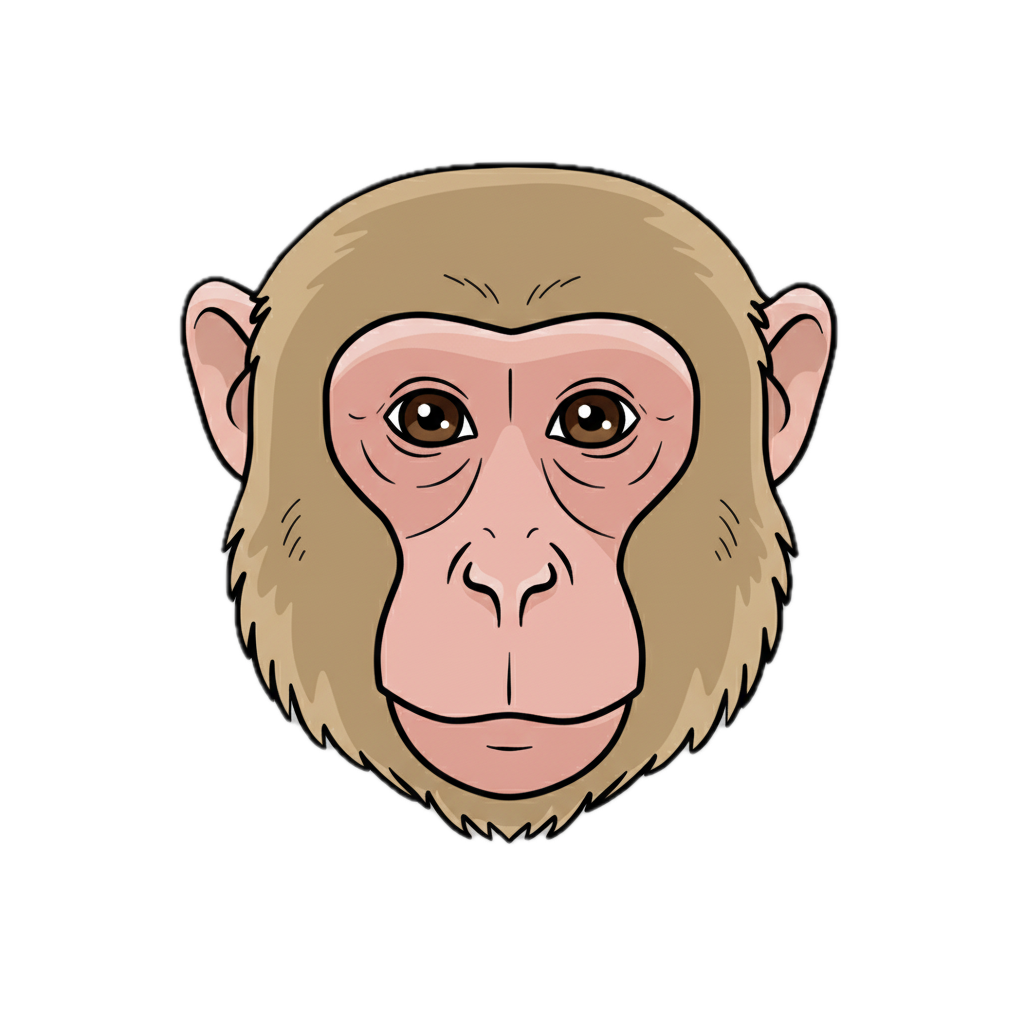
This concept, of zoonoses—diseases crossing from one species to another—is one of the many reasons why people working with animals in a professional setting often take precautions.
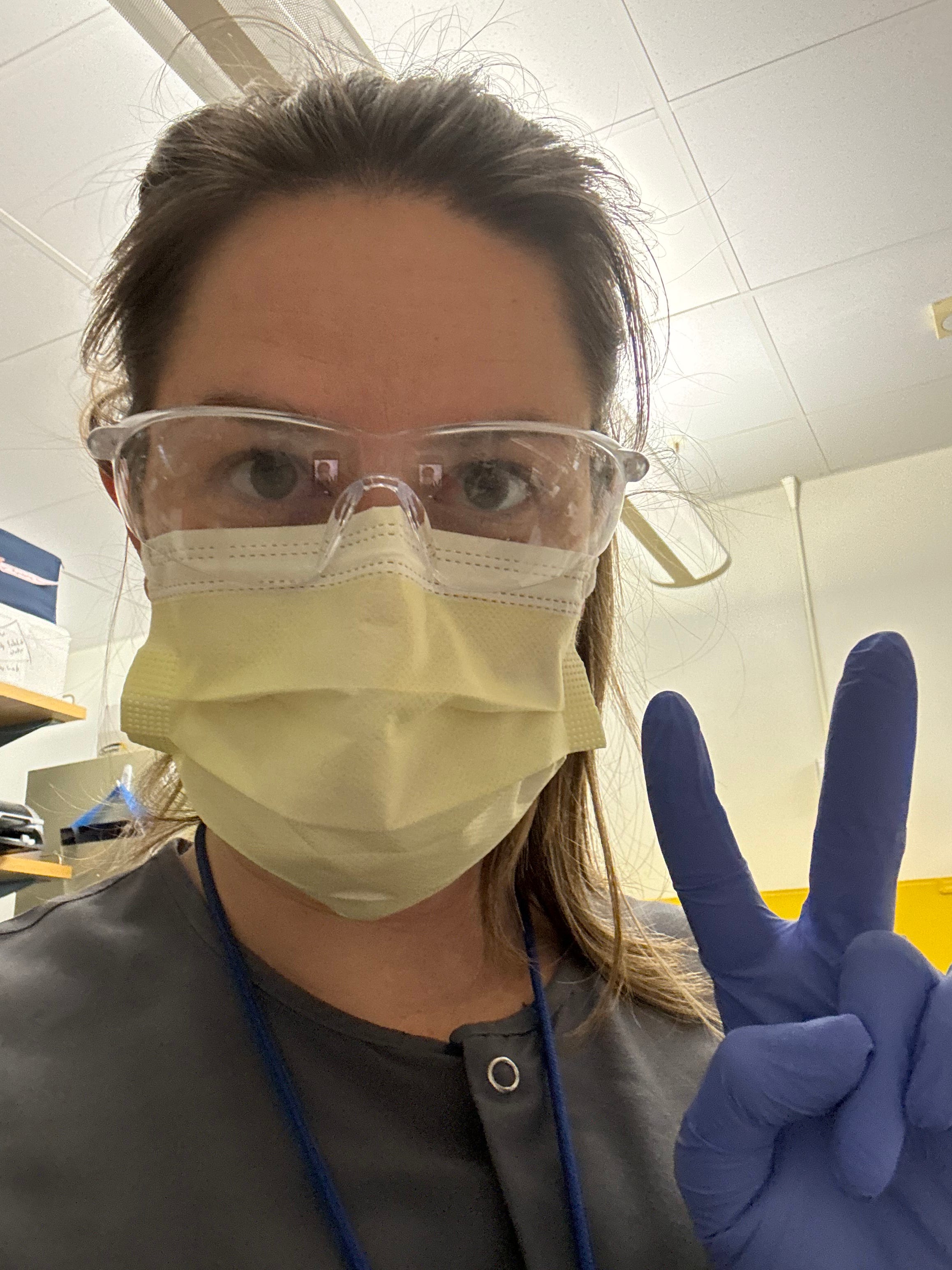
Personal protective equipment (PPE) like medical scrubs, eye protection, face masks, and gloves.
Preventative vaccinations and testing like measles vaccines and regular tuberculosis screening.
Staying home from work when sick, even if it’s “just a cold.”
Hand washing and basic hygiene.
Y’all, I guarantee you I don’t walk around looking like this for fun.
A key detail though is this… often WE are more of a danger for passing disease to nonhuman animals than they are of passing diseases to us.
While the PPE and protocols may seem like they’re in place to protect humans, they’re just as vital in protecting the animals we work with.
Lemur yogis don’t wear face masks
So when those HSV-1 mouth sores or sweaty human bodies came in contact with a lemur during lemur yoga… the unsuspecting (and likely very confused) lemur took home a souvenir: a death sentence.
The lemur’s brain swelled (encephalitis), it had seizures, and inevitably died. No medical treatment could have helped save it.
This is the cost of unregulated animal-human contact.
I guarantee (well… I sincerely hope) none of those lemur yogis planned to kill that lemur that day.
But the lemur died all the same.
The other 3 cases of lemurs contracting and dying from HSV-1 aren’t disclosed in quite as much detail, but it’s safe to assume a similar level of unregulated, careless human contact infected these animals.
The next time you’re considering an animal yoga class or holding a wild animal in a tourist trap, pause for a second and think about what the cost might be.
If you’re an “animal person”, you have a responsibility to at least be aware of the ethics of interacting with animals who don’t have a voice to say no to you.
Depressing one today? Sure.
Are zoonoses a core concern of every animal interaction I have? Absolutely.
Let’s keep the fuzzy guys safe, y’all.
Gizmodo covered the article here. And here’s the full research study if you’d like to receive this information in a much denser format.
Shoutout to Lynne for bringing this story to my awareness ♥️
👋🏻 Meet your Monkey Girl
Hi, I’m Allison aka Monkey Girl—a published author, PhD scientist, and trusted book editor.
I’m reclaiming my story, one chapter, one essay, one monkey at a time. Read my romcom Love Letter to Wanderlust, and keep your eyes peeled for my 👣 Path to Published series.
My latest and loudest series to date is BIG. DUMB. MAMMAL. where I’m sharing all the details of pregnancy, from the perspective of a biologist living this process in real time.
When I’m not typing away at my computer, I’m usually on a plane with my husband and toddler, or defending my three very patient cats from said toddler.

Thanks for being here, truly. If you have thoughts, questions, anything, send me a message. I read every word and I’d love to hear from you.
Photography by the brilliant c.m.elle studios.
Yes! I think about this a lot when it comes to zoos or people who parade animals you can 'ride' at the beach. I wonder what happens behind closed doors.